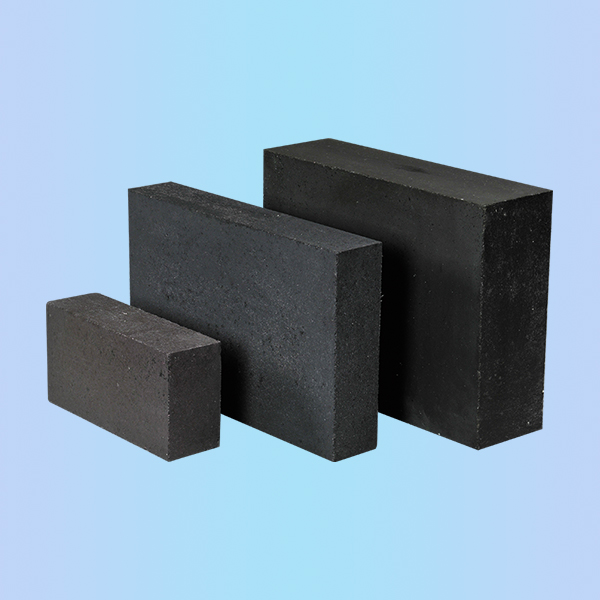
Silicon Carbide Brick
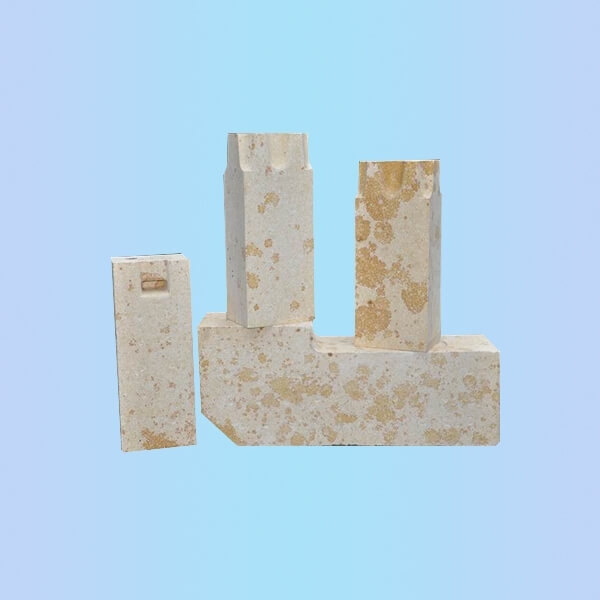
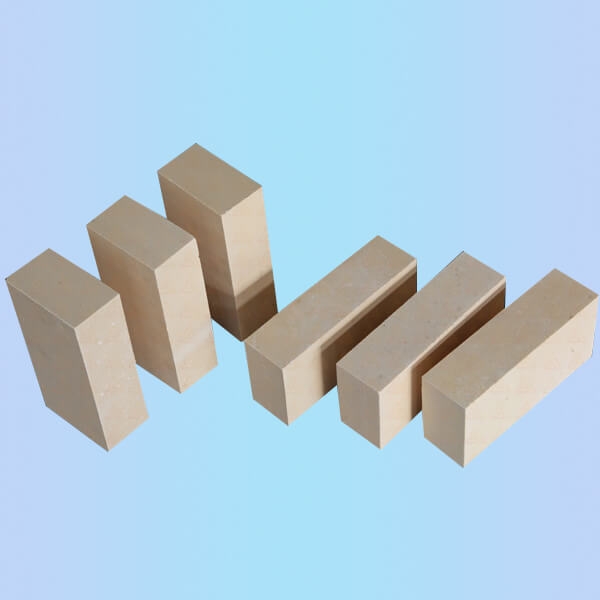
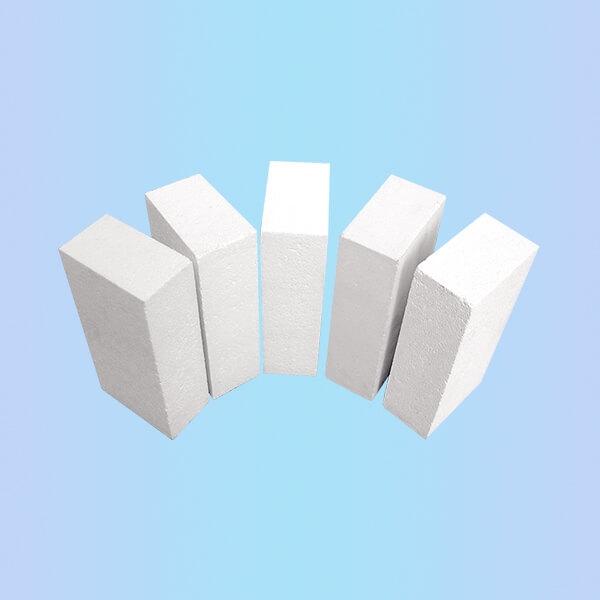
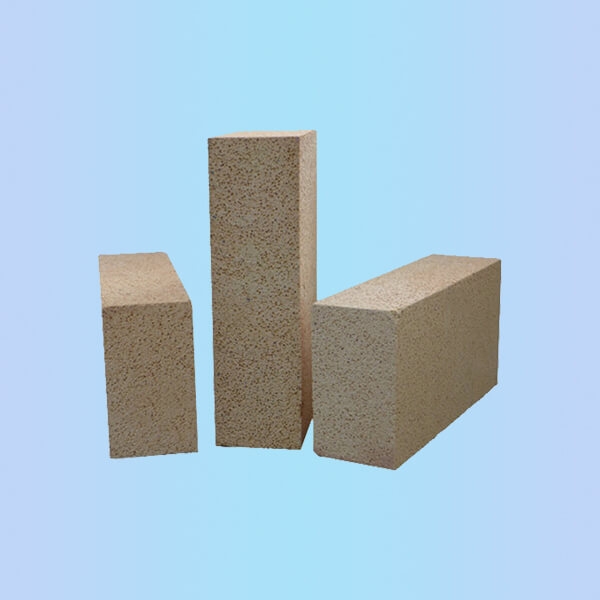
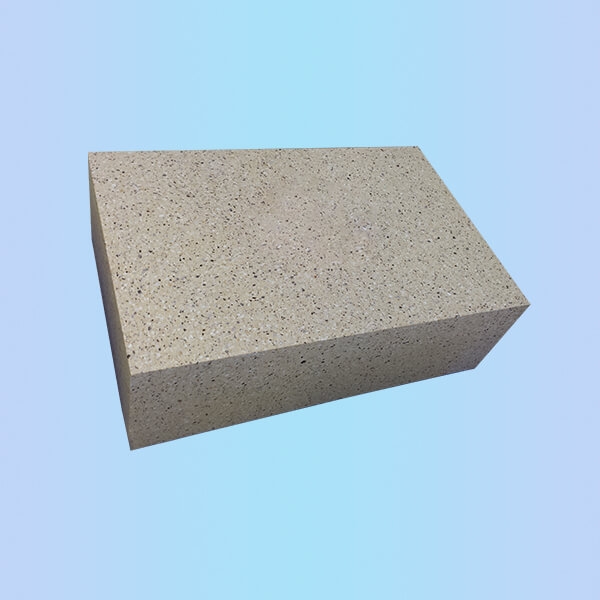
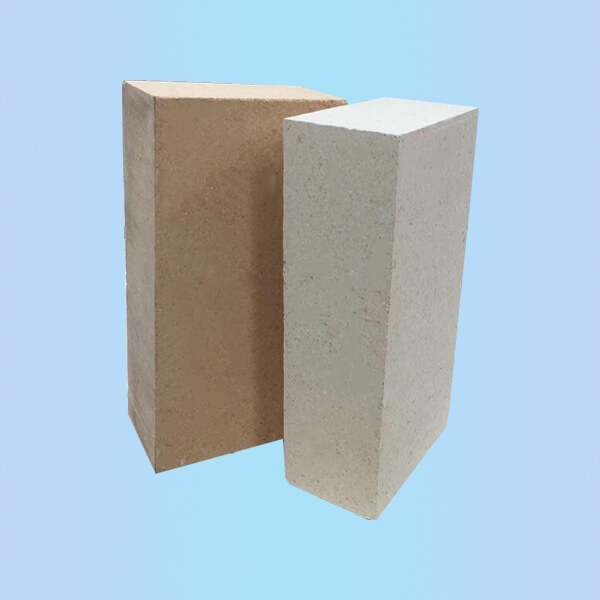
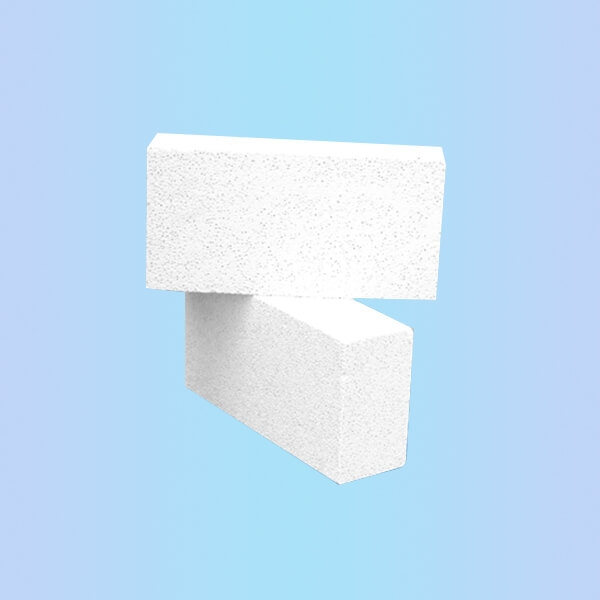
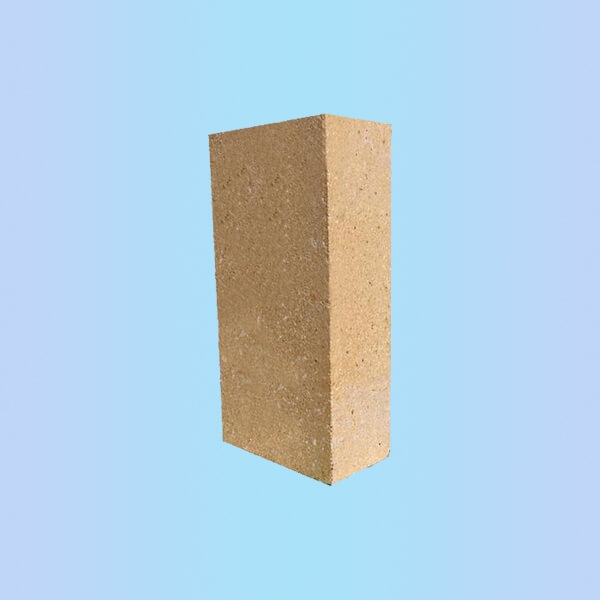
Silicon carbide brick is a refractory material made of SiC as the main raw material. The silicon carbide content is from 72% to 99%. Mohs hardness 9. Generally, black silicon carbide (SiC content above 96%) is used as the raw material, and the binder (or no binder) is added, and then it is prepared by batching, mixing, molding and firing. The main crystal phase is silicon carbide. Silicon carbide refractory brick is mainly divided into several types of clay bonding, Si3N4 bonding, Sialon bonding, β-SiC bonding, Si2ON2 bonding and recrystallization. It is stable to acidic slag and has good wear resistance, corrosion resistance, high temperature strength, good thermal shock stability, high thermal conductivity, and low thermal expansion coefficient. It is a high-performance refractory material.
Scope of application
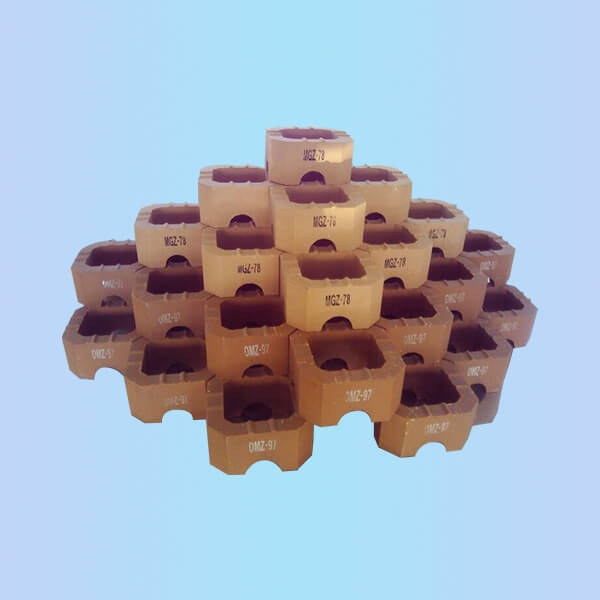
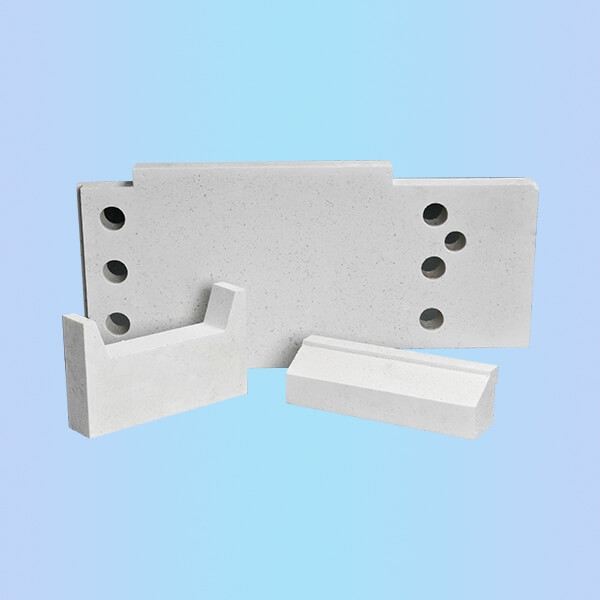
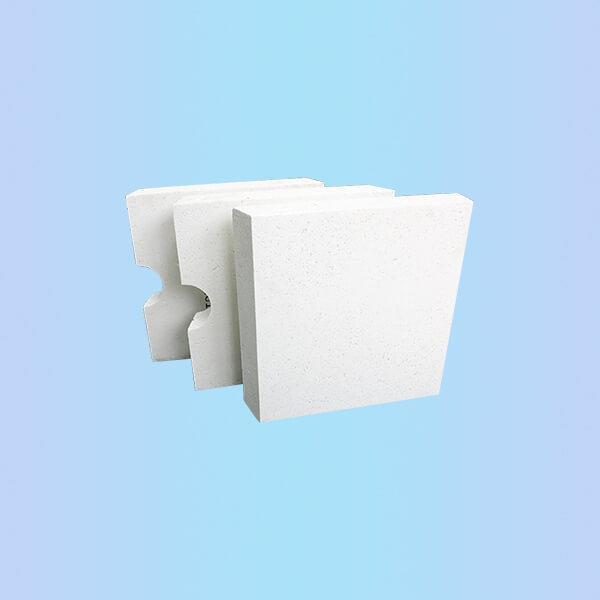
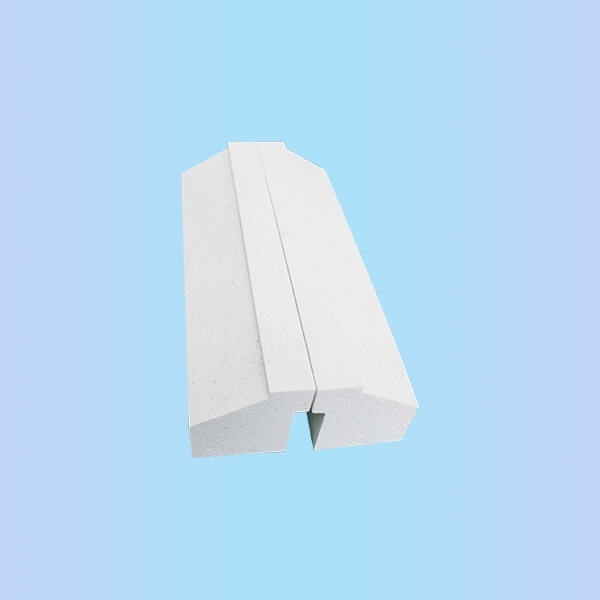
The main purpose of silicon carbide bricks is to serve as the lining of thermal equipment. According to the parts of the thermal equipment, different combinations can be used to produce silicon carbide products of different specifications, such as silicon carbide plates, silicon carbide rings and etc.
In the metallurgical industry, silicon carbide bricks are mainly used in aluminum melting furnaces for aluminum alloy smelting, secondary tuyere bricks of blast furnaces and etc.; In the power industry, they are mainly used in boilers as the nozzle of the boiler combustion chamber; in the domestic garbage treatment industry, the bricks are used in waste incinerators.
Advantage
Good wear resistance and corrosion resistance
Good strength at high temperature
Good thermal shock stability
High thermal conductivity
Low thermal expansion coefficient
Technical Data
|
Items
|
Oxide bonded SIC brick
|
Corundum-SIC brick
|
Mullite-SIC brick
|
Alumina-SIC brick
|
Si3N4-SIC brick |
|
SiC %
|
≥85
|
≥70
|
≥65
|
≥20
|
≥72
|
|
Al2O3 % |
---
|
≥20
|
≥20
|
≥55
|
---
|
|
Si3N4 % |
---
|
---
|
---
|
---
|
≥19
|
|
Bulk density (g/cm3) |
≥2.5
|
≥2.6
|
≥2.3
|
≥2.5
|
≥2.65-2.7
|
|
Apparent porosity %
|
≤18
|
≤20
|
≤20
|
≤22
|
≤14-18
|
|
Cold compression strength (Mpa)
|
≥100
|
≥100
|
≥80
|
≥80
|
≥200
|
|
Refractoriness under load (0.2Mpa,0.6%)
|
≥1700
|
≥1700
|
≥1650
|
≥1550
|
≥1600
|
|
Thermal Conductivity W/(m.k) 1200℃
|
13.2
|
9-10
|
12
|
6-8
|
16
|
|
Thermal shock resistance Water quenching at 1100℃ (time)
|
≥40
|
≥30
|
≥40
|
≥30
|
≥30
|