
In modern glass manufacturing, the glass melting furnace remains the largest energy-consuming unit in the entire production process, accounting for more than 75% of total plant energy consumption. Therefore, improving glass furnace energy efficiency has become one of the most important tasks for glass manufacturers worldwide. In recent years, many glass plants have implemented a variety of energy-saving technologies involving batch formulation optimization, combustion system improvement, furnace insulation, waste heat recovery, refractory upgrading, and operational control enhancement. These efforts have produced significant results, with some furnaces already reaching advanced international energy consumption standards.
However, compared with leading global glass manufacturers, there is still considerable room for improvement in reducing fuel consumption, improving thermal efficiency, extending furnace campaign life, and stabilizing glass quality. In practice, effective energy conservation in glass furnaces requires not only advanced equipment, but also systematic optimization of melting technology, heat transfer efficiency, glass flow control, homogenization performance, and refractory configuration.
The following sections discuss several important approaches for improving glass furnace energy saving and operational efficiency.
1. Increasing Glass Melt Temperature Without Excessively Raising Flame Temperature
One of the most effective methods for improving glass furnace efficiency is increasing the temperature of the glass melt itself without significantly increasing the flame temperature. Higher glass melt temperatures can accelerate the melting process, shorten melting time, increase furnace pull rate, and reduce specific fuel consumption per ton of glass.In practical furnace operation, this objective can be achieved through several complementary methods.
1.1 Improving Radiative Heat Transfer Efficiency
The glass melt selectively absorbs radiant heat energy. Radiation with wavelengths below 3 μm can penetrate the melt surface and transfer heat deeper into the glass bath. Therefore, improving short-wave radiation efficiency is highly beneficial for glass melting.
In most glass furnaces, short-wave radiation mainly comes from:
• Carbon particles within the flame
• High-temperature refractory surfaces
• Combustion products with strong radiative characteristics
Therefore, improving flame emissivity becomes extremely important. In practice, oxygen-deficient combustion or carbon-enhancing combustion methods can increase flame radiation intensity and improve heat transfer to the glass melt.
At the same time, refractory materials with high emissivity also contribute significantly to thermal radiation performance. The emissivity of refractory surfaces is closely related to temperature, surface roughness, and material composition.
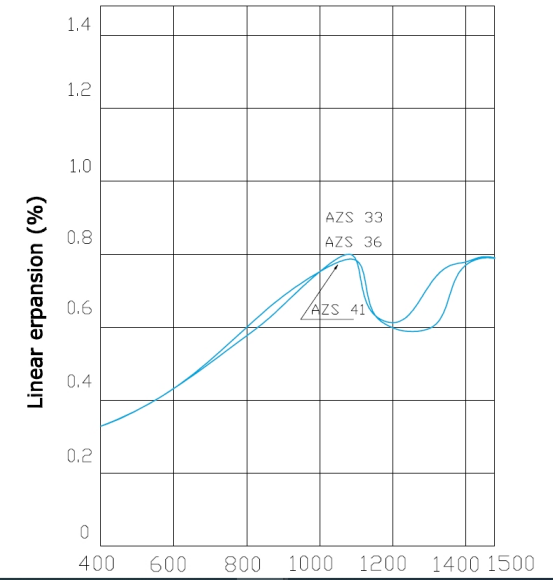
For example, the emissivity of fireclay and silica bricks at high temperatures is approximately:
• 0.61–0.62 at 1000°C
• 0.52–0.53 at 1200°C
• 0.47–0.49 at 1400°C
The emissivity of fused cast refractories generally ranges between 0.4–0.5 under high-temperature operating conditions.
In modern glass furnace design, maintaining high-radiation refractory surfaces can effectively improve thermal efficiency and reduce overall energy consumption.
1.2 Eliminating the “Cold Gas Layer” Above the Melt Surface
Another important factor influencing heat transfer efficiency is the existence of a cold gas layer near the surface of the molten glass. This stagnant gas layer reduces thermal transfer from the combustion space to the glass melt and lowers melting efficiency.
To reduce this phenomenon, special attention should be paid to:
• The height of the port floor above the glass level
• Flame projection angle
• Combustion flow organization
• Air-fuel mixing characteristics
Optimized burner arrangement and combustion aerodynamics can significantly improve heat penetration into the melt surface.
1.3 Oxygen-Assisted Melting Technology
Oxygen-assisted melting technology has become increasingly popular in modern glass furnace energy-saving applications. By injecting oxygen into the combustion space at high velocities, heat transfer rates can be significantly improved.
In some overseas applications, oxygen injection velocities ranging from 195–500 m/s have been successfully utilized. This technology can increase the flame temperature near the melt surface by approximately 100°C while improving melting intensity and reducing overall fuel consumption.
In practice, oxygen boosting is particularly effective for:
• High-capacity furnaces
• Difficult-to-melt glass compositions
• Production increase projects
• Energy-saving retrofits
These technologies collectively improve glass furnace efficiency while maintaining better thermal control and stable operation.

2. Improving Temperature Uniformity of the Glass Melt
Besides increasing melt temperature, improving temperature uniformity throughout the glass bath is equally important for efficient melting and stable glass quality.
A major objective in glass furnace operation is reducing excessive temperature differences between the surface and bottom of the melt. Improved thermal uniformity enhances heat transfer efficiency, strengthens convection, and promotes more stable glass flow patterns.
Several technologies are commonly used to achieve this goal.
2.1 Bottom Bubbling Technology
Bottom bubbling is widely recognized as one of the most effective methods for improving glass bath convection and temperature distribution.
By injecting gas through bubbling blocks installed at the furnace bottom, vertical circulation within the melt can be strengthened. This improves heat transfer from the upper hot zone to the lower glass layers.

Advantages of bottom bubbling include:
• Enhanced convection
• Improved melting efficiency
• Better temperature uniformity
• Improved homogenization
• Reduced local overheating
However, special attention must be paid to:
• Bubble media cleanliness
• Bubbling pressure stability
• Erosion resistance of bubbling blocks
• Bubble distribution uniformity
Poor bubbling control may accelerate refractory corrosion or introduce glass defects.
2.2 Increasing Tank Depth
Increasing furnace tank depth can also strengthen vertical convection and improve thermal distribution within the glass melt.
A deeper glass bath provides:
• Longer heat retention time
• Improved convection circulation
• Higher melting intensity
• Better thermal stability
At the same time, deeper furnaces can accommodate increased production capacity without excessively increasing furnace width.
2.3 Electric Boosting Technology
Electric boosting technology is now commonly applied in modern glass furnaces to improve melting intensity and reduce fuel consumption.
Electric boosting offers several benefits:
• Additional localized heating
• Faster glass melting
• Improved thermal uniformity
• Reduced fossil fuel usage
• Stabilized furnace operation
In many glass plants, electric boosting is especially effective during:
• Production increase periods
• Cold weather operation
• Pull fluctuations
• High-quality glass production
Combined with proper furnace insulation, electric boosting can significantly improve overall glass furnace energy-saving performance.
3. Shallow Refining, Deep Extraction, and Controlled Glass Flow
Refining zone design directly affects glass quality, thermal efficiency, and furnace energy consumption.
The concept of shallow refining and deep extraction aims to:
• Increase refining temperature
• Reduce glass recirculation
• Minimize backflow
• Improve glass quality entering the throat area
Excessive recirculation causes repeated reheating of the same glass, resulting in unnecessary energy consumption.

3.1 Installation of Low and Wide Weirs
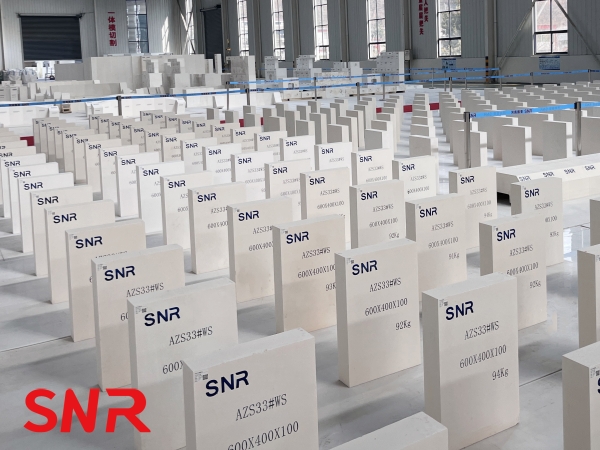
Low and wide weirs help establish shallow refining zones with improved forward glass flow characteristics.
Their advantages include:
• Reduced dead zones
• Improved refining efficiency
• Better flow organization
• Lower recirculation losses
In practice, properly designed weirs can significantly improve both thermal efficiency and glass homogeneity.
3.2 Submerged Throat Technology
Submerged throats are also widely used to reduce backflow and stabilize glass movement between the melting zone and working end.
This design can:
• Reduce surface turbulence
• Improve thermal separation
• Enhance refining performance
• Lower energy losses from recirculation
However, submerged throats are not always necessary for dark-colored glass due to different thermal and optical characteristics.Overall, proper glass flow control remains one of the most important factors in reducing glass furnace energy consumption.
4. Enhancing Glass Homogenization
In many glass plants, poor homogenization remains a major factor affecting final product quality. Thermal non-uniformity and composition fluctuations often originate from uneven batch charging, inconsistent melting conditions, and unstable flow patterns.Natural diffusion alone is insufficient to achieve high-quality homogenization in modern high-capacity furnaces. Therefore, forced homogenization technologies are widely used.
4.1 Bottom Bubbling for Homogenization
Bottom bubbling not only improves melting efficiency but also significantly enhances homogenization performance.
This method is particularly effective for:
• Dark-colored glass
• Container glass
• High-viscosity melts
Proper bubbling distribution improves lateral and vertical mixing inside the glass bath.
4.2 Forehearth Stirring Technology
Mechanical stirring inside the forehearth can improve glass temperature distribution and compositional uniformity.
However, effective stirring requires careful control of:
• Stirrer location
• Immersion depth
• Rotation intensity
• Refractory material quality
At present, stirrer material durability remains an important area for improvement in many plants.
4.3 Surface Skimming and Bottom Discharge
Surface skimming improves lateral flow movement while removing scum and unmelted material from the glass surface.Forehearth bottom discharge systems can also remove impurities through controlled leakage methods, either continuously or intermittently.

4.4 Electric Heating in the Forehearth
Electric heating systems installed in the forehearth help improve vertical temperature uniformity and stabilize gob temperature.However, proper electrode configuration and resistance control are essential to maintain reliable operation.
In practice, successful homogenization requires a balanced combination of:
• Natural diffusion
• Mechanical stirring
• Bubbling technology
• Electric heating
• Proper forehearth design
5. Stable Batch Feeding System
Stable gob shape, size, and temperature are fundamental requirements for maintaining forming quality and production efficiency.
The stability of the feeding system is heavily influenced by:
• Forehearth design
• Thermal insulation
• Heating and cooling systems
• Flow channel geometry
• Degree of separation between the working end and forehearth
5.1 Independent Forehearth Operation
Complete separation between the forehearth and working end allows the forehearth to operate independently from fluctuations occurring inside the melting furnace.Some older furnace designs rely on heat transfer from the melting area to warm the forehearth. From an energy-saving perspective, this approach is inefficient and difficult to control.
Independent forehearth systems provide:
• Better temperature stability
• Improved gob consistency
• Reduced thermal disturbances
• Higher forming efficiency
5.2 Saddle-Shaped Forehearth Bottom Design
The saddle-shaped forehearth bottom structure has proven highly effective for reducing transverse temperature differences.In addition, increasing spout depth can raise hydrostatic pressure and improve gob temperature stability.
Proper forehearth length and width should be carefully determined according to:
• Glass pull rate
• Production capacity
• Forming requirements
• Flow stability
Slightly longer forehearths are generally beneficial for temperature adjustment and operational flexibility.
5.3 Heating and Cooling System Optimization
Forehearth insulation is critically important due to substantial heat loss in this area.
• Modern systems typically use:
• Multi-nozzle gas heating
• Electric heating
• Controlled cooling systems
In practical operation:
• Cooling systems provide coarse adjustment
• Heating systems provide fine control
This combined approach achieves more accurate temperature control and improved thermal uniformity.
6. Reduction of Waste Heat Loss
Reducing waste heat loss remains one of the most direct and effective methods for improving glass furnace energy efficiency.
6.1 Minimizing Unrecoverable Heat Loss
Major heat losses include:
• Furnace wall heat dissipation
• Radiation from openings
• Leakage through joints
• Escaping hot gases
Modern furnace insulation technology has achieved significant progress in recent years. However, additional improvements are still possible.
Future development directions include:
• Multi-layer insulation structures
• Lightweight insulating refractories
• Composite insulation materials
• Advanced sealing technologies
Special attention should be given to sealing critical areas such as:
• Doghouses
• Peepholes
• Temperature measurement openings
Fully enclosed feeding systems, including screw-type and wrap-around feeders, are increasingly used to minimize heat loss and dust emission.
6.2 Reducing Heat Loss from Glass Recirculation
Reheating recirculated glass may account for approximately 10% of total furnace energy consumption.
Effective methods for reducing this loss include:
• Installing strategic weirs
• Optimizing throat design
• Using submerged throats
• Improving flow control
Reducing unnecessary recirculation improves both energy efficiency and glass quality.
7. Optimization of Heat Utilization Efficiency
Improving usable heat utilization is another key direction for glass furnace energy-saving optimization.
7.1 Ensuring Complete Fuel Combustion
Incomplete combustion leads directly to fuel waste and unstable furnace operation.
For oil-fired furnaces, important measures include:
• High-efficiency atomizing nozzles
• Improved atomization quality
• Optimized port design
• Better flame distribution
For gas-fired furnaces, important factors include:
• Proper air-to-gas momentum ratio
• Stable combustion aerodynamics
• Uniform air-fuel mixing
In practice, combustion optimization significantly improves flame efficiency and reduces overall fuel consumption.
7.2 Improving Regenerator Heat Exchange Efficiency
High air preheating temperature is essential for reducing fuel consumption.
Methods for improving regenerator performance include:
• Increasing checker height
• Optimizing checker brick design
• Improving gas flow distribution
• Using advanced checker materials
Cross-shaped and cylindrical checker bricks have shown improved heat transfer performance in many applications.
Further research should focus on:
• Gas distribution uniformity
• Checker construction coefficient
• Flue volume optimization
7.3 Waste Heat Recovery Technology
Modern glass plants increasingly utilize waste heat recovery systems.
Common technologies include:
• Waste heat boilers
• Heat pipe systems
• Raw material preheating systems
• Flue gas heat recovery
These systems can significantly improve total plant thermal efficiency and reduce fuel consumption.
8. Optimization of Batch Formulation and Pelletization Technology
Raw material preparation also plays a major role in glass furnace energy consumption.
8.1 Optimization of Batch Composition
Adding small amounts of fluxing materials such as lepidolite can lower melting temperature and accelerate glass melting.
Advantages include:
• Faster melting
• Lower viscosity
• Reduced fuel consumption
• Increased production output
Some factories have reported production increases of 15–20% after batch optimization.
However, excessive use of fluxing materials may negatively affect:
• Glass quality
• Refractory corrosion resistance
• Chemical stability
Therefore, careful formulation control is essential.
8.2 Advanced Pelletization Technology
Dry-process pelletization technology has become increasingly attractive in modern glass manufacturing.
Compared with conventional powder charging, pelletized batch offers:
• Reduced dust generation
• Faster solid-state reactions
• Better heat transfer
• Improved batch uniformity
In practice, pelletized batch can shorten melting time by 8–12% while improving furnace operating stability.
The elimination of binder materials also reduces impurity introduction into the glass melt.
9. Strategic Application of Advanced Refractory Materials
Refractory materials play a decisive role in glass furnace performance, energy efficiency, and campaign life.
Modern glass furnaces increasingly rely on advanced refractory systems including:
• Zirconia-based refractories
• Alumina-based materials
• Spinel refractories
• High-density specialty products
Proper refractory selection directly affects:
• Furnace productivity
• Glass quality
• Fuel consumption
• Furnace lifetime
• Maintenance frequency
9.1 Importance of High-Quality Fused Cast AZS Blocks
Among various refractory materials, fused cast AZS blocks remain one of the most critical products for glass furnace operation.
Their advantages include:
• Excellent corrosion resistance
• Strong thermal shock resistance
• High structural stability
• Long service life
High-quality fused cast AZS refractories can significantly improve furnace campaign life while reducing operational interruptions and energy losses.
9.2 Refractory System Matching
Modern furnace design requires careful refractory matching across different operating zones.
Balanced wear characteristics throughout the furnace help avoid premature local failures and reduce repair frequency.
From a long-term operational perspective, investing in premium refractory materials is economically justified through:
• Extended furnace campaign
• Improved thermal efficiency
• Lower maintenance costs
• Better glass quality
Conclusion
Energy conservation in glass furnaces requires a comprehensive and systematic approach involving melting technology, combustion optimization, heat recovery, flow control, batch preparation, homogenization improvement, and advanced refractory application.
In modern glass manufacturing, improving glass furnace efficiency is no longer dependent on a single technology. Instead, successful energy-saving performance comes from the coordinated optimization of multiple systems working together.
Among all these factors, refractory performance remains one of the most important elements affecting furnace campaign life, energy consumption, operational stability, and glass quality. High-performance refractory materials not only improve thermal efficiency but also help reduce maintenance downtime and stabilize long-term furnace operation.
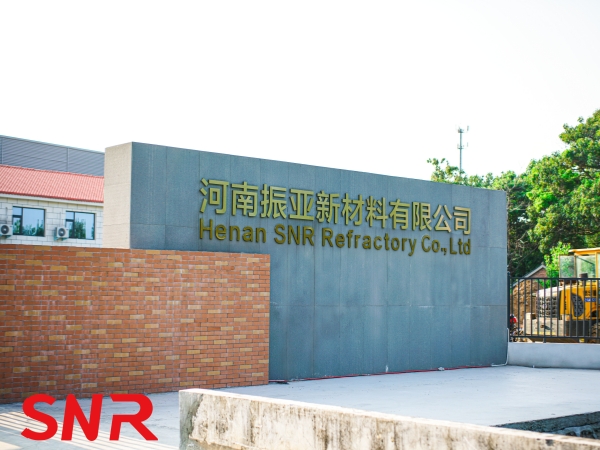
As a professional manufacturer specializing in fused cast AZS blocks, Henan SNR Refractory Co., Ltd. is committed to providing high-quality refractory solutions for the global glass industry. Through strict raw material selection, advanced fusion technology, and comprehensive quality control procedures, the company continuously supplies reliable refractory products that support energy-efficient and stable glass furnace operation.
Contact
 Email: [email protected]
